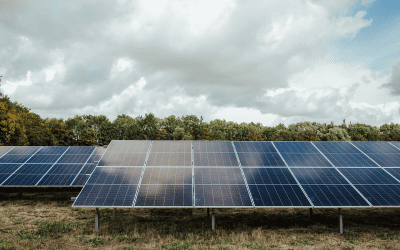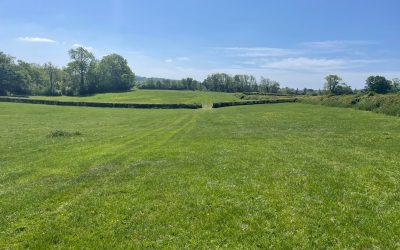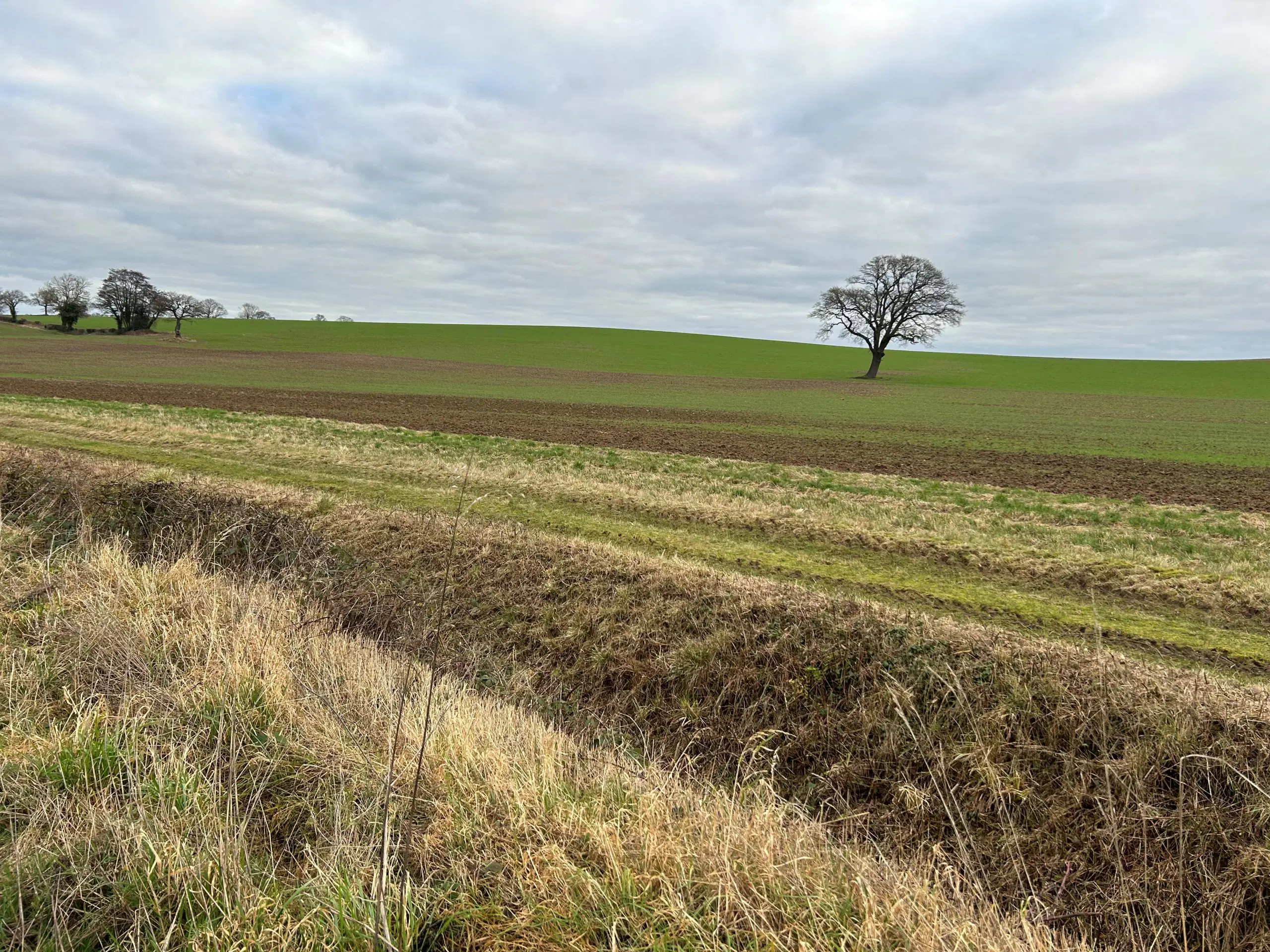
The project, which will generate enough clean electricity to power over 16,500 homes each year, avoiding around 10,000 tonnes of CO₂ annually, had been recommended for approval by the council’s planning officers, yet was rejected by members.
A central issue in the inquiry was the long-running debate over whether the land should be treated as ‘Grey Belt’. Enviromena has maintained this position since July 2024, and the Inspector’s decision confirms it – a conclusion reached only after a costly public inquiry process which could have been avoided. The ruling is expected to be influential for other renewable energy proposals where the status and appropriate use of such land is under consideration.
Mark Harding, Chief Development Officer at Enviromena, said: “We welcome the Inspector’s clear and decisive ruling. The site was recommended for approval by planning officers on two separate occasions, and the appeal outcome reaffirms the strong planning merits of this scheme.
“The prolonged dispute over ‘Grey Belt’ status added unnecessary time and cost for all parties, including the council and its taxpayers. We are pleased that the evidence has now been accepted.”
The appeal also considered objections raised by Fillongley Parish Council, which chose to reallocate community funds from other areas to oppose the project despite professional assessment by officers as compliant with national and local planning policy.
Chris Marsh, Enviromena’s CEO, commented: “We strongly welcome the Inspector’s decision to overturn the refusal. The inquiry confirmed what we have maintained from the outset: this is a well-designed, environmentally responsible solar project that will deliver significant local and national benefits. At a time when clean power is needed more than ever, this ruling sends an important signal that evidence-based, climate-aligned development must be supported. We are eager to bring this project forward and deliver meaningful renewable capacity for the region.”
Enviromena remains dedicated to developing projects that positively impact communities and the environment. By 2030, the government has outlined the UK requires at least 45GW of operational solar power generation, with projects like Fillongley being vital to the success of this target.